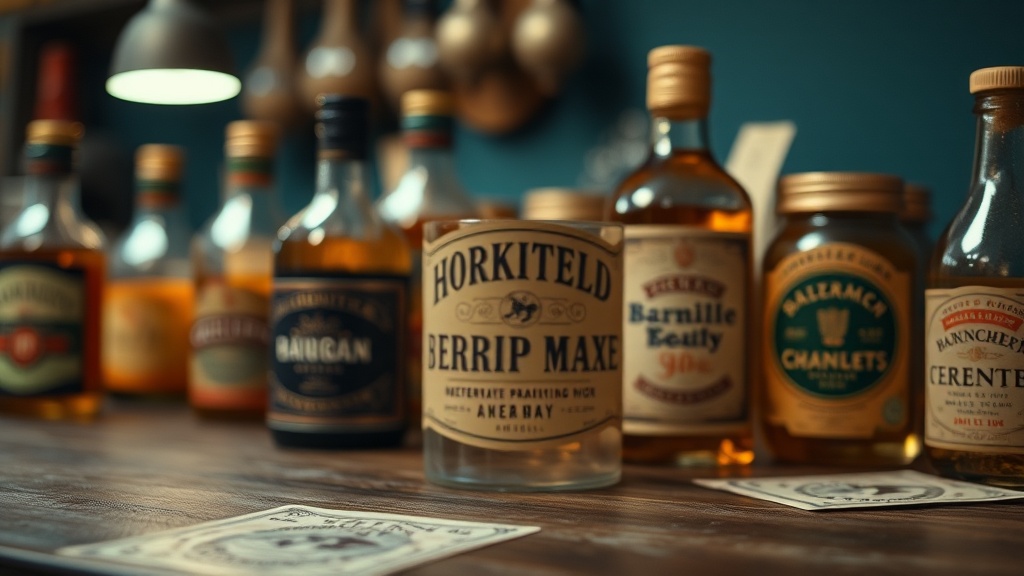
Preserving the Integrity of Vintage Paper Labels

Why does paper degradation happen so quickly?
Have you ever opened a vintage cigar box only to find the once-vibrant label peeling away in brittle, colorless flakes? This isn't just bad luck; it's the result of chemical and environmental factors interacting with the fibers of the paper. Understanding why paper decays is the first step in preventing it. Most vintage labels consist of wood pulp or linen-based papers that are highly sensitive to light, humidity, and even the adhesive used to stick them to the wood. When these elements go wrong, the label doesn't just look old—it loses its structural integrity entirely.
The primary culprit is often acidity. During the late 19th and early 20th centuries, many paper manufacturers used alum-rosin sizing to make paper more resistant to ink bleeding. The problem? Over time, this process creates an acidic environment that eats the paper from the inside out. You might notice the edges of a label turning brown or becoming incredibly fragile to the touch. This is known as "acid burn," and once it starts, it's a sign that the paper is literally self-destructing. This is especially common in cigar boxes where the wood itself might be releasing resins or acids that interact with the label.
The Role of Light and Humidity
Light exposure is a silent killer for paper collections. UV rays break down the molecular bonds in both the paper fibers and the pigments used in lithography. If your collection sits under bright, direct sunlight, you'll see the colors fade—reds often go first, followed by yellows. Beyond color loss, light provides the energy needed for photochemical reactions that accelerate aging. A box kept in a dark drawer will look vastly different from one kept on a bright shelf after just a few years.
Humidity is the second major factor. High humidity levels can cause the paper to swell and then shrink as it dries, which leads to the peeling and cracking often seen on antique cigar boxes. If the environment is too damp, you risk mold and foxing—those little reddish-brown spots that plague old paper. On the other hand, if the air is too dry, the fibers become brittle and snap under the slightest pressure. Maintaining a stable environment is the only way to slow this process down.
How do you stabilize a peeling label?
If you've found a box with a label that is already lifting, don't panic. The first rule is to avoid using standard household adhesives. A drop of Elmer's glue or even a heavy-duty tape can permanently damage the wood and the paper. Instead, professional conservators often look toward specialized, archival-grade materials. While you shouldn't attempt complex restoration without training, understanding the basics of stability can save your collection.
One way to address minor lifting is through controlled humidity. Sometimes, a label is peeling simply because the adhesive has dried out. By very carefully introducing a small amount of moisture—never a soak, just a controlled increase in local humidity—the paper might settle back into place. However, this is a delicate process. For more technical details on paper chemistry, the Library of Congress provides excellent resources on how different types of paper react to environmental changes.
For collectors, the goal is often stabilization rather than full restoration. If a label is falling apart, you might choose to place the box in a UV-protected display case. This prevents further light damage and creates a micro-climate that keeps the humidity levels steady. If you are looking for professional advice on paper preservation, checking the standards set by the American Institute for Conservation can give you an idea of what professionals use in museum settings.
What is the best way to store paper-heavy collectibles?
Storage isn't just about finding a shelf; it's about creating a controlled environment. For those of us collecting paper-heavy items like cigar boxes, the "set it and forget it" mentality is dangerous. A single season of high humidity can do more damage than a decade of dry air. A good rule of thumb is to keep your collection in a room with stable temperatures and minimal fluctuations. Avoid basements or attics, as these areas are notorious for temperature swings.
- Use UV-Protective Glass: If you display your boxes, ensure the glass or acrylic is UV-filtering.
- Avoid Direct Airflow: Drafts from AC units or heaters can cause rapid temperature shifts that stress the paper.
- Monitor Humidity: A simple hygrometer can help you track if your room is getting too damp.
When storing boxes that are not on display, consider using acid-free archival boxes. Even though the cigar box itself is a container, storing it inside another protective layer adds a secondary line of defense against dust and light. This is particularly important for pieces with extremely delicate, thin-stock paper labels that are prone to crumbling.
It is also worth noting that the wood of the cigar box itself can influence the paper. Some woods, like certain varieties of cedar, release oils that can migrate into the paper. While this is part of the charm of a vintage box, it can also lead to staining. If you notice a label becoming oily or translucent, it might be reacting to the wood beneath it. This is a natural part of the aging process for many vintage items, but being aware of it allows you to make informed decisions about which pieces to display prominently and which to keep in more protected storage.