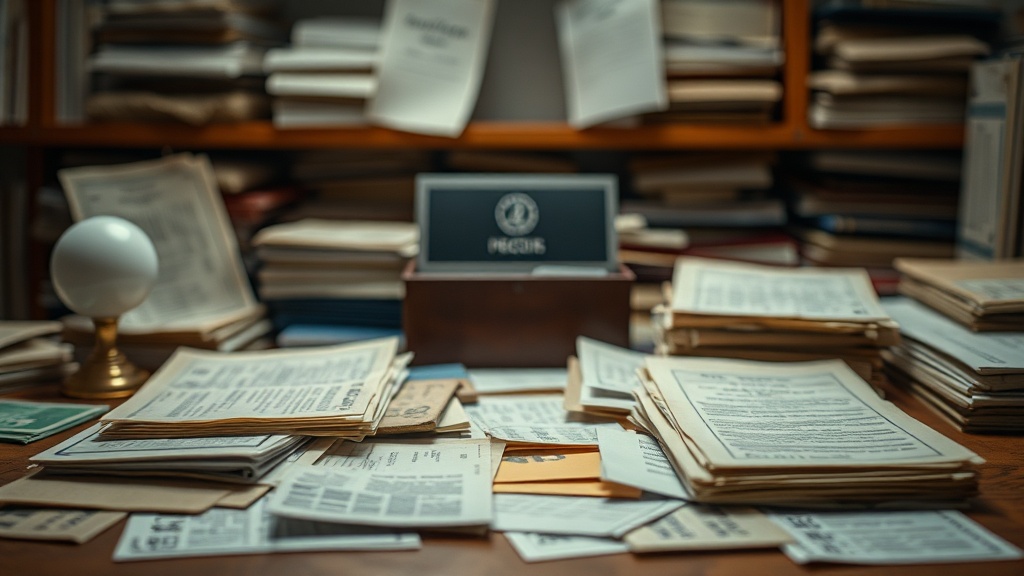
Why Paper Ephemera Often Outlasts the Box Itself

Most collectors assume the wooden container is the star of the show, but that's a mistake. While the cedar-lined box provides the structure, the paper labels, tax stamps, and printed ephemera are the true heartbeat of the collection. If you're focusing solely on the wood, you're missing the actual historical record. This post examines why paper is often the most fragile—yet most valuable—element of a vintage cigar box collection and how to handle it with precision.
Why does paper quality determine the value of a cigar box?
The value of a collectible cigar box isn't just about the wood or the metal hardware. It's about the printed surface. A box with a pristine, brightly colored lithographed label is worth significantly more than a box with a faded or torn one. This is because the paper tells the story of the brand, the era, and the marketing techniques of the time. In the world of paper ephemera, condition is everything.
When we look at vintage labels, we're looking at different printing methods. Some used stone lithography, which creates a soft, painterly look, while others used more modern offset printing. If the paper is too thin, it absorbs moisture and buckles. If it's too thick, it might crack when the box lid is opened. Collectors often overlook how much the chemical composition of the paper affects long-term preservation. For example, acidic paper from the late 19th century tends to turn brittle and yellow quite rapidly—a process known as acid decay. You can learn more about the chemical breakdown of paper through resources like the Library of Congress, which provides deep insights into document stability.
A high-quality label acts as a visual signature. It's the primary way we identify a brand's identity. If a label is missing or partially detached, the entire historical context of the box shifts. You aren't just losing a piece of decoration; you're losing the primary source of information that identifies the product's origin and manufacturing period.
How can you spot high-quality vintage paper labels?
Identifying high-quality paper isn't just about finding a "pretty" label. It's about recognizing the printing techniques and the physical state of the fibers. Look for the following markers of quality and authenticity:
- Color Saturation: Genuine vintage lithography often has a depth of color that modern digital printing can't replicate. Look for rich, layered tones rather than flat, uniform colors.
- Texture: High-end labels often have a slight texture or a subtle sheen that suggests a higher grade of paper stock.
- Edge Integrity: Check the edges of the label where it meets the wood. Are there signs of fraying or brittleness? A well-preserved label will have clean, sharp lines.
- Ink Consistency: In many older printing processes, you'll see slight variations in ink density. While modern collectors might see this as a flaw, in the world of antique paper, it's a hallmark of authenticity.
If you're unsure about the era of a label, you can cross-reference the printing style with historical archives. The Smithsonian Magazine often features articles on the evolution of commercial printing and how it changed consumer behavior in the 19th and 20th centuries.
What are the best ways to prevent paper degradation?
The biggest enemy of your paper collection isn't time; it's the environment. Because paper is organic, it reacts to everything in the room. If you want your collection to last, you have to control the variables that cause decay. You can't just set a box on a shelf and expect the paper to remain perfect for a century.
Humidity is the most significant factor. Too much moisture leads to mold and the lifting of labels from the wood. Too little moisture can make the paper brittle and prone to cracking. Aim for a stable environment. If you're displaying your boxes in a room with fluctuating temperatures, the paper will expand and contract, eventually causing the adhesive to fail. This is a common issue with vintage cigar boxes where the glue used for the labels has dried out over decades.
Light exposure is another silent killer. UV rays break down the molecular bonds in both the ink and the paper fibers. This leads to fading and a process called photodegradation. If you're displaying your collection, avoid direct sunlight at all costs. Even indirect sunlight can cause a label to lose its vibrancy over a few years. Using UV-protected glass in your display cases is a smart move, though it isn't a perfect solution.
Practical preservation tips:
- Avoid direct sunlight: Keep your collection in a room with controlled lighting.
- Monitor humidity: Use a hygrometer to ensure your display area stays within a safe range. - Handle with care: Always wash your hands before touching labels to prevent skin oils from staining the paper.
- Use archival supports: If you're storing loose ephemera from broken boxes, use acid-free sleeves.
It's a common mistake to think that a wooden box provides a protective shell for the paper. In reality, the wood can sometimes be a liability. Certain types of wood release gases as they age, which can react with the ink on the paper. This is why keeping the boxes in a well-ventilated, temperature-controlled space is so important. You're not just preserving a box; you're preserving a piece of printed history.