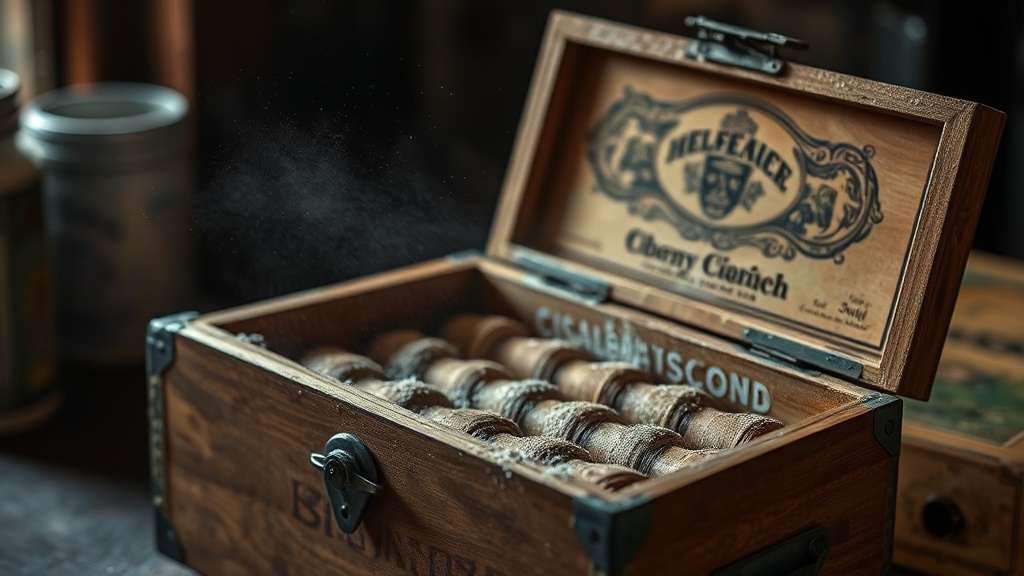
Cleaning Dust and Grime from Vintage Cigar Box Surfaces

You'll learn how to safely remove dust, grime, and surface contaminants from vintage cigar box surfaces without damaging the wood, metal, or paper labels. This guide focuses on distinguishing between different materials to ensure you don't accidentally ruin a rare piece of history. We'll cover dry cleaning methods, damp cleaning precautions, and how to handle stubborn residue on various textures.
How Do I Clean Dust from a Vintage Cigar Box?
The safest way to remove dust from a vintage cigar box is by using a soft-bristled brush or compressed air. Most collectors find that a simple dusting can prevent long-term grime buildup, but you must be careful with the physical pressure applied to the surface. If you've been collecting for a while, you know that dust isn't just an eyesore—it can actually hold moisture against the material, leading to degradation.
Start with a high-quality, natural-hair brush. I personally prefer using a clean, soft makeup brush or a dedicated artist's paintbrush to reach into the corners of the box-and-lid construction. These tools are gentle enough that they won't scratch the delicate lithography or the wood grain. Avoid using feather dusters; they often leave behind more tiny fibers than they pick up.
If the dust is particularly stubborn, a vacuum with a micro-attachment can work. However, don't let the nozzle touch the box directly. Hold it a few inches away to create a gentle suction. This method works well for the recessed areas of the lid where dust tends to settle and harden over decades.
For those with highly detailed or embossed labels, a blast of compressed air—the kind used for computer keyboards—is a great option. Just be mindful of the pressure. You don't want to blow a loose piece of paper or a peeling label right off the wood. It's a fine line between cleaning and destroying.
Can I Use Water or Liquid Cleaners on Cigar Box Labels?
You should avoid using water or liquid cleaners directly on paper labels because moisture causes swelling, warping, and ink bleeding. While it's tempting to grab a damp cloth to get rid of a smudge, water is often the enemy of vintage paper and lithography. If you use too much liquid, the paper fibers will absorb it, and the label might even detach from the wood entirely.
If you have a box with a metal tin lid or a heavily varnished wood surface, you have a bit more leeway, but caution is still the rule. For the paper components, stick to dry methods. If a label is particularly dirty, it's often better to leave it alone than to risk a permanent stain. A little bit of "patina" is much better than a ruined, water-stained label.
Here is a breakdown of what you can use based on the specific material of your box:
| Material Type | Recommended Tool/Method | What to Avoid |
|---|---|---|
| Lithographed Paper | Soft brush or air puff | Water, damp cloths, solvents |
| Varnished Wood | Microfiber cloth (dry) | Oils, heavy liquids |
| Metal Tins/Lids | Dry microfiber or slightly damp cloth | Abrasive pads, harsh chemicals |
| Unfinished Wood | Soft brush | Any liquid (will soak in immediately) |
If you are dealing with a metal tin, a slightly damp cloth (barely damp, not dripping) can work to remove surface grime. But again, the moment that moisture touches the paper edges, you're in trouble. I've seen many collectors accidentally peel a beautiful 1920s label just by being a little too enthusiastic with a damp rag. It’s heartbreaking to watch.
When dealing with metal, you might be tempted to use a metal polish like Brasso. Don't do it. Most vintage cigar box tins are thin and the polish can be too aggressive for the aged finish. Stick to a dry cloth to maintain the original look and feel of the piece.
Dealing with Sticky Residue and Grime
Sometimes, a box has been sitting in a garage or a basement, and it has that tacky, sticky feeling from old adhesive or spilled substances. This is much harder to fix than simple dust. If you have a residue on a non-paper surface, like a metal lid, you might consider a very small amount of isopropyl alcohol on a cotton swab. But—and this is a huge but—never touch the paper with it. Alcohol can dissolve the ink on a lithographed label instantly.
For the wood, if there is a sticky spot, it’s often best to use a specialized wood cleaner designed for antiques, but even that's a gamble. Most of the time, the best way to handle a "sticky" box is to leave it. If it's a metal component, a tiny bit of mineral spirits on a swab can work, but test a small, inconspicuous area first. You'll want to be sure it doesn't strip the finish or the color.
The more you try to "fix" a dirty box, the higher the risk of permanent damage. I always tell people: if you aren't 100% sure, stop. It's better to have a dusty box than a destroyed one. If you're worried about the long-term effects of dust on your collection, you might want to read about protecting your labels from damage to ensure your cleaning doesn't lead to other issues.
Is It Safe to Use Microfiber Cloths?
Yes, microfiber cloths are generally safe for cleaning the hard surfaces of a cigar box, provided they are clean and dry. They are excellent for picking up fine dust without leaving lint behind. However, you must ensure the cloth doesn't have any leftover detergent or chemicals from a previous cleaning session. A "dirty" microfiber cloth can actually scratch a delicate surface or leave a film behind.
When using a microfiber cloth, don't scrub. Use a light, lifting motion. This is especially true for the wood surfaces. If you press too hard, you might actually drive the dust deeper into the grain or the texture of the paper. It's a gentle touch or nothing at all. I often use a clean, high-quality cloth to give the wood a quick buff, but I never use it on the labels themselves. The texture of the cloth can sometimes catch on the edges of a peeling label and pull it away.
If you're looking for ways to display your cleaned boxes, check out my guide on showing off your collection. It's a great way to keep them looking good after the cleaning process is finished.
- Step 1: Inspect the box under a bright light to identify the type of "dirt" (dust, grease, or residue).
- Step 2: Use a soft brush to remove loose debris from corners and recessed areas.
- Step 3: Use compressed air for any remaining dust in tight spots.
- Step 4: Use a dry microfiber cloth for a gentle buffing of wood or metal surfaces.
- Step 5: If a spot remains, leave it. Do not introduce liquids unless you are an expert in material science.
The goal is preservation, not perfection. A vintage cigar box is a piece of history, and that history includes its age and its wear. Sometimes, the "grime" is just part of the story. If you're a new collector, it's easy to get caught up in wanting everything to look brand new. But a pristine, "factory-fresh" look can sometimes actually lower the value of a truly antique piece because it looks like it has been over-cleaned or tampered with.
When you're working with these items, always keep your tools nearby. A small kit with a soft brush, a can of air, and a clean microfiber cloth will cover 95% of your needs. This keeps your sessions quick and minimizes the time the box is being handled. The less you touch it, the better it will look for the next person who finds it.
Remember that the lithography—the very thing that makes these boxes beautiful—is often just a thin layer of ink on paper. It's incredibly fragile. If you're curious about how those designs were actually made, you might find the evolution of lithography an interesting read. Understanding the medium helps you understand the fragility.
Steps
- 1
Dry Dusting with Soft Brushes
- 2
Using Microfiber Cloths for Smudges
- 3
Avoiding Liquid Cleaners and Chemicals